


Thermal Management Technology in New Energy Vehicles
1. First of all, let's explain what a thermal management system is and what a good thermal management system is.
From the user's point of view, the main role of the thermal management system in the era of electric vehicles is reflected in its internal and external roles. The passenger compartment serves to keep the temperature inside the vehicle warm in winter and cool in summer, for example by heating the seats and steering wheel, turning on the air conditioning earlier, etc. - how long it takes to reach the specified temperature, how long the energy is used and the importance of balance to quickly adjust the cabin temperature; Externally it is necessary to ensure that the battery is at a temperature suitable for its operation and that it is not too hot, as this will cause thermal shock and fire. still too cold, if the battery temperature is too low, the energy release will be blocked and the battery life will be affected by actual use. Mileage will decrease significantly.
Thermal management will be more important in winter, as prevention of thermal runaway has been fully considered in the battery design. However, in winter, thermal management focuses on how to use less energy to keep the battery at the best operating temperature. Investigation.
It can be seen that the thermal management system of electric vehicles is not only the air conditioning of fuel vehicles, but also requires in-depth iterations on this basis, and needs to be coordinated and optimized with the electrical and electronic systems. Architecture, powertrain, braking system, etc., so there are many possibilities and excellences.
2. How to achieve thermoregulation
Traditional method: PTC heater.
To provide a heat source for the interior and battery, the conventionally designed EV is equipped with a PTC auxiliary heat source. PTC refers to a positive temperature coefficient thermistor. The resistance and temperature of this part are positively correlated. In other words: as the ambient temperature decreases, the resistance of the PTC also decreases. Thus, when current is applied at a constant voltage, the resistance becomes less and the current increases, and accordingly the driving thermal power increases, resulting in heating.
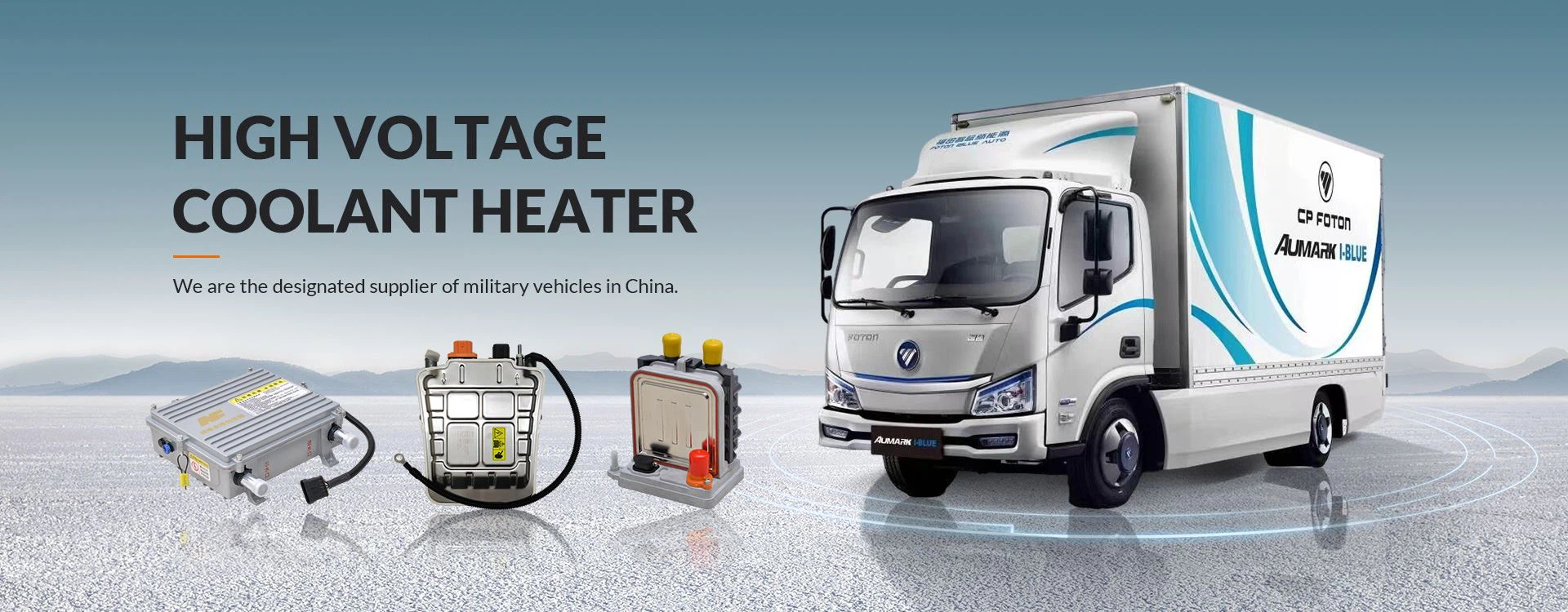
There are two options for PTC heating: water heating (PTC coolant heater) and air heating (PTC air heater). The difference between them is that the coolant is different. The plumbing heater uses PTC to heat the coolant and then exchanges heat with the radiator; When the air is heated, the cold air directly exchanges heat with the PTC and finally blows out the hot air.
3. Development direction of thermal control technology.
How can we achieve breakthroughs in downstream thermal management technology?
Since the core of thermal management (HVCH) is to balance cabin temperature and battery power consumption, the development direction of thermal management technology should continue to focus on “thermal coupling” technology. Simply put, it is a comprehensive view at the vehicle level and the overall situation: how to integrate and utilize energy communications, including: the use of energy gradients and the transfer of energy to the desired location through the structural integration of system components and comprehensive control of the system center; In addition, intelligent control based on an intelligent architecture is possible.


