

What is a Battery Thermal Management System
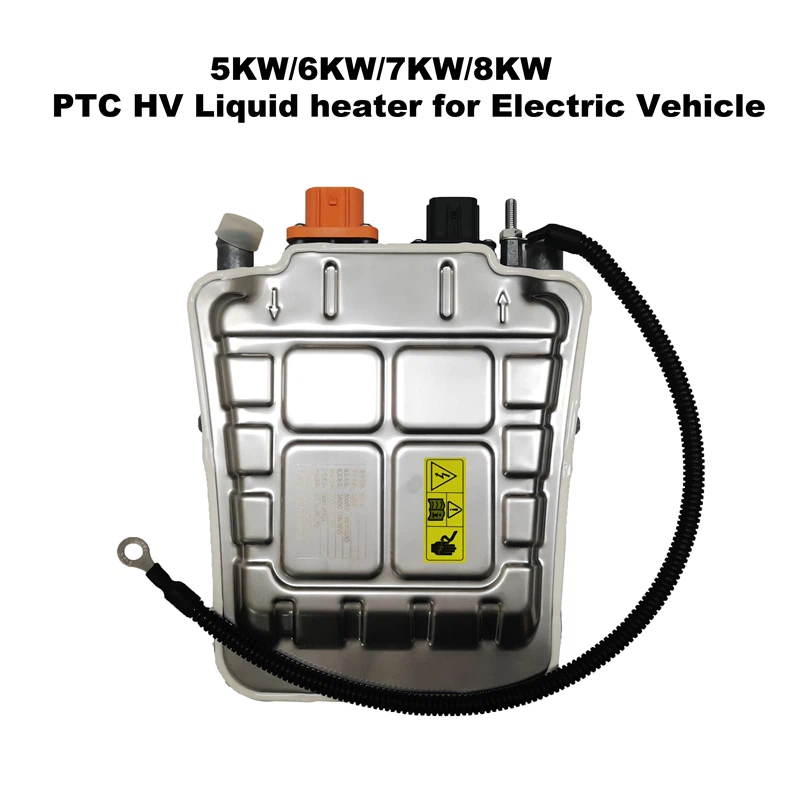
In new energy vehicles, the main goal of the battery thermal management system is to ensure that the battery pack can work within the optimum temperature range. Battery thermal management refers to temperature control of the battery system by cooling or heating.
Different from the thermal management system of traditional automobiles, in the context of new energy vehicles, the thermal management of the battery, the electrical control thermal management of the motor, and the cooling system of other equipment together constitute the thermal management system.
Compared with fuel vehicles, the newly added lithium-ion battery in new energy vehicles is the power source of the entire vehicle. Lithium-ion batteries are generally composed of multiple single cells connected in series and parallel to form a battery module, and the modules are then composed of a battery pack.
The essence of lithium battery work is the conversion between chemical energy and electrical energy. This is an electrochemical reaction that has high requirements on the temperature of the working environment; the thermal management system of the power battery controls the temperature of the battery system by cooling or heating. Battery temperature control has a great impact on battery performance, specifically:
- Effective heat dissipation when the battery temperature is high to prevent thermal failure events.
- Preheat the battery when the temperature is low, increase the battery temperature, and ensure the charging and discharging performance and safety at low temperature.
- Reduce the temperature difference in the battery pack, avoid overheating, prevent the battery at high temperature from decaying too quickly, and reduce the overall life of the battery pack.
Generally speaking, 15°C~35°C is the best temperature, which can achieve the best power output and input of the battery. At the same time, the capacity and cycle life of the battery can reach a relatively good state.