


Working principle of the thermal management system for new energy vehicles
The thermal management system for new energy vehicles is a core system that intelligently regulates the circulation, flow direction, and flow rate of media such as coolant and refrigerant to achieve precise temperature management of components such as the power battery, motor, electronic control system, and air conditioning cabin. Its working principle revolves around heat collection, transmission, distribution, and heat dissipation/heating.
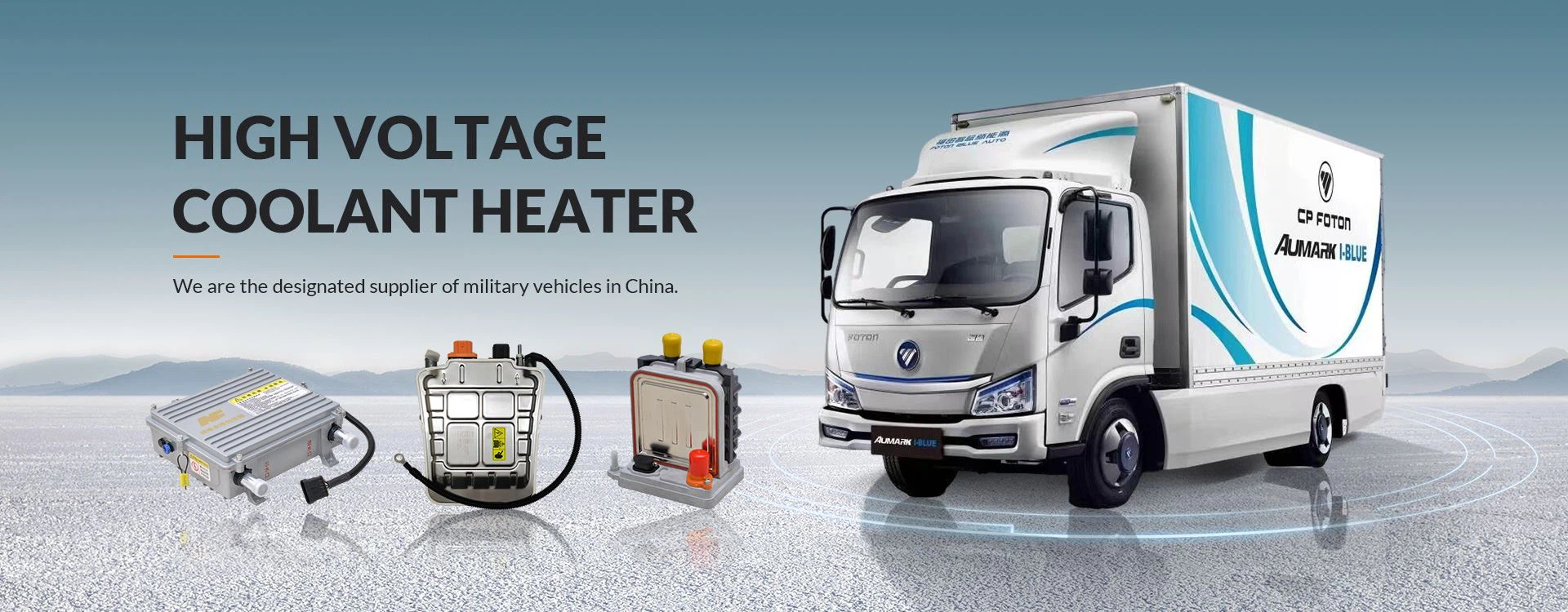
The system is centered around the vehicle controller and thermal management controller. Based on temperature sensor signals from various components, it drives actuators such as the electronic water pump, compressor, three-way valve/multi-way valve, radiator, heat pump, and PTC heater. The power battery is a key focus of management. When the temperature is too high, the controller instructs the water pump to start, and the coolant flows through the battery water-cooling plate to remove heat, then exchanges heat with the outside through the front radiator for cooling. When the temperature is low, the PTC heater or heat pump system generates heat, which is carried by the coolant to the battery pack for preheating, ensuring the battery is always within its optimal operating temperature range, improving charging and discharging efficiency, cycle life, and safety.


The motor and electronic control system generate a large amount of heat during operation. The system uses valve group switching circuits to direct coolant into the heat dissipation circuit, preventing component overheating and failure. The air-conditioned cabin utilizes a heat pump system to achieve cooling, heating, and waste heat recovery. In winter, it recovers waste heat emitted by the motor and battery to heat the cabin, reducing energy consumption.
Valve components such as three-way valves play a crucial role in the circuit, switching between cooling and heating circuits according to real-time needs, achieving coordinated heat management across multiple systems. The entire system, through closed-loop control, adjusts heat dissipation intensity, heating power, and medium flow rate in real time to balance the temperature requirements of various components, reduce overall vehicle energy consumption, and improve driving range and ride comfort. This is a vital foundation for ensuring the efficient, safe, and stable operation of new energy vehicles.


