
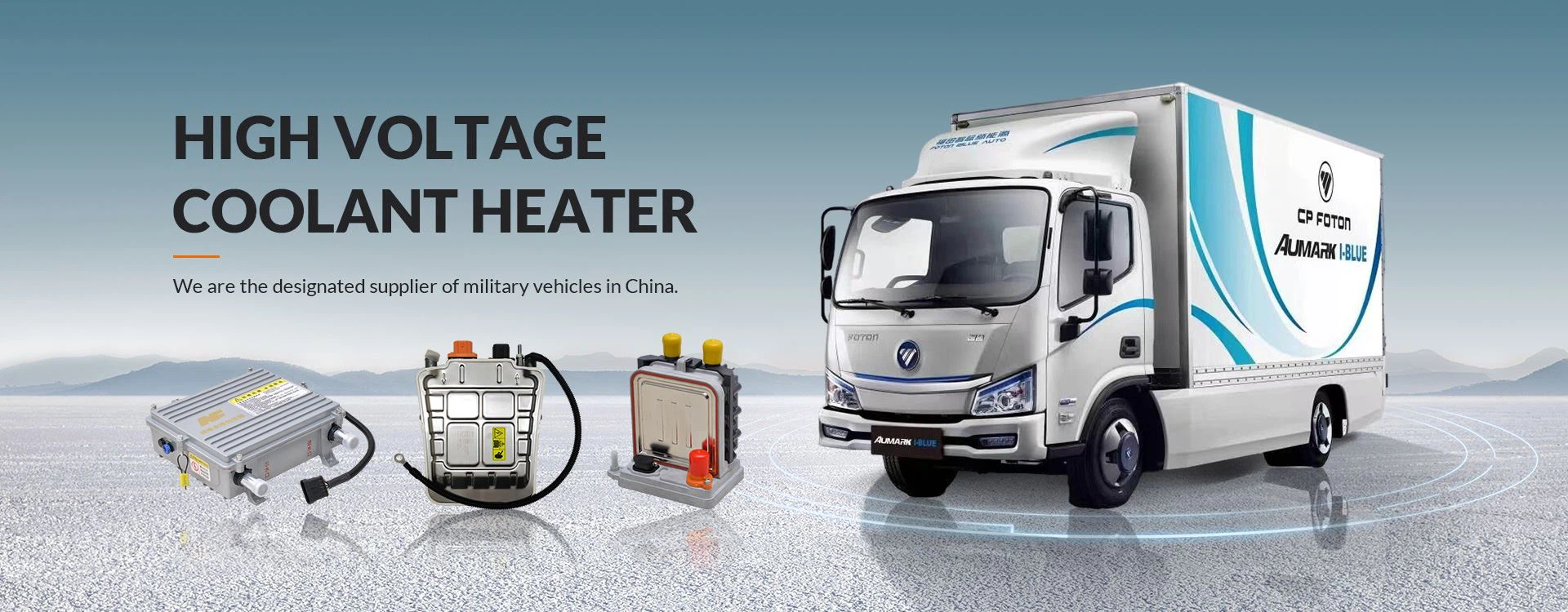


Advantages of the integrated water-electric defroster
The core advantage of the integrated hydronic-electric defroster in new energy vehicles lies in its ingenious combination of hydronic (liquid-based) and electric heating sources, resolving the conflict between cabin heating and driving range in all-electric models. Unlike internal combustion engine vehicles that rely on waste heat from the engine, all-electric vehicles lack a "free" heat source; consequently, relying solely on electric heating (PTC) consumes power that directly impacts driving range.


This technology enables the two modes to work in synergy. It captures waste heat generated during motor or battery operation-circulating coolant to provide a steady, continuous "hydronic" heat base for defrosting-thereby facilitating energy recovery and reuse, while also utilizing high-voltage PTC heating for rapid supplemental warmth. In extreme cold or immediately after startup, a dual-mode operation (combining hydronic and electric heating) can be activated to achieve ultra-fast defrosting. This design effectively provides a "double guarantee" for energy conservation and efficiency: hydronic heating saves power and preserves range during normal operation, while electric heating ensures safety and performance during critical moments.
Furthermore, the integrated design allows the system to recover waste heat from the motor and battery rather than relying entirely on battery power, significantly reducing the vehicle's overall energy consumption. Structurally, the integration of the heat exchanger and heating core saves valuable chassis space; the shared use of the blower fan optimizes airflow ducting, offering distinct advantages in terms of installation convenience and airflow comfort.


