Internal Structure of a Battery Thermal Management System
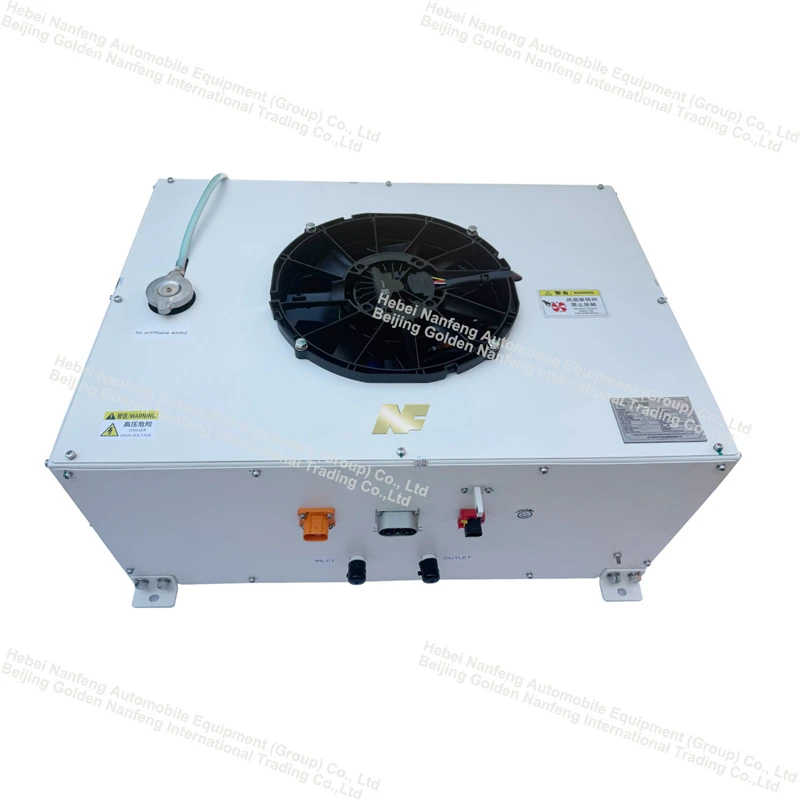
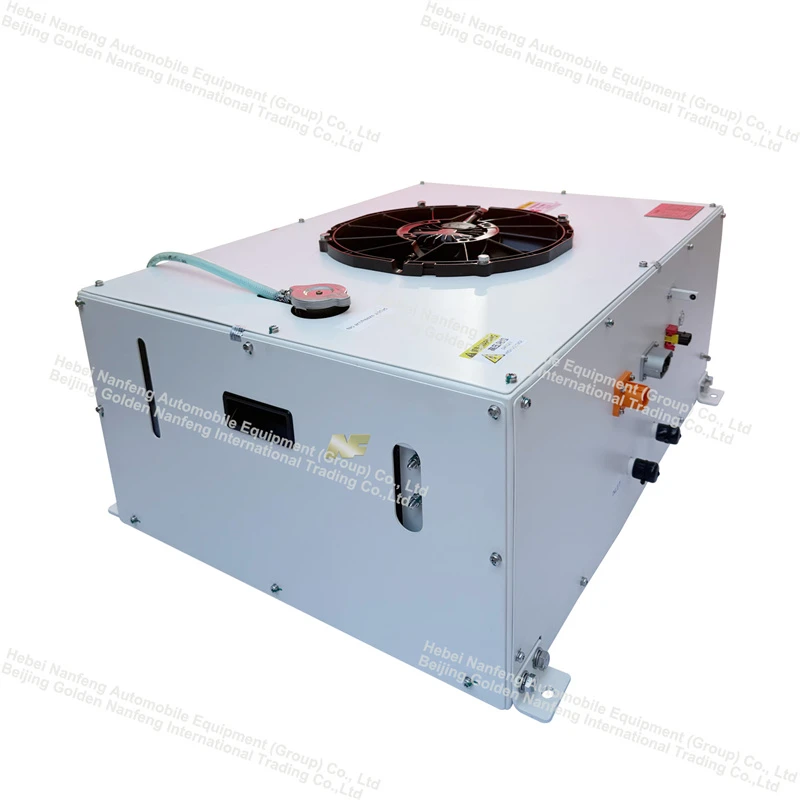
The Battery Thermal Management System (BTMS) is an integrated liquid-cooling temperature control assembly. It consists of five core modules: **sensing units, electronic control units, circulation/actuation units, heat exchange units, and protection components**. Working in coordination, these components manage the cooling, heating, and temperature uniformity of the traction battery, serving as a critical safeguard for the safe operation of batteries in new energy commercial vehicles and construction machinery.
The sensing unit comprises multiple temperature sensors positioned directly against the battery cells or the surface of the liquid-cooling plates. These sensors collect real-time temperature data from various points within the battery pack and monitor temperature differentials across the cells. This data is transmitted in real-time to the Battery Management System (BMS) controller, serving as the foundation for system regulation. Some configurations also incorporate pressure and leak sensors to monitor pipeline pressure, enabling rapid fault reporting in the event of a coolant leak.
The electronic control unit is centered around the BMS, which works in coordination with the Vehicle Control Unit (VCU). It houses control circuit boards, communication interfaces, and drive circuitry, supporting CAN, LIN, or PWM signal outputs. Upon receiving temperature signals, the unit performs logical analysis and issues commands to the various actuation components. It also includes built-in fault diagnosis, alarm, and protection logic; it monitors the operational status of all components and triggers protective measures in response to issues such as overheating, short circuits, or communication failures.
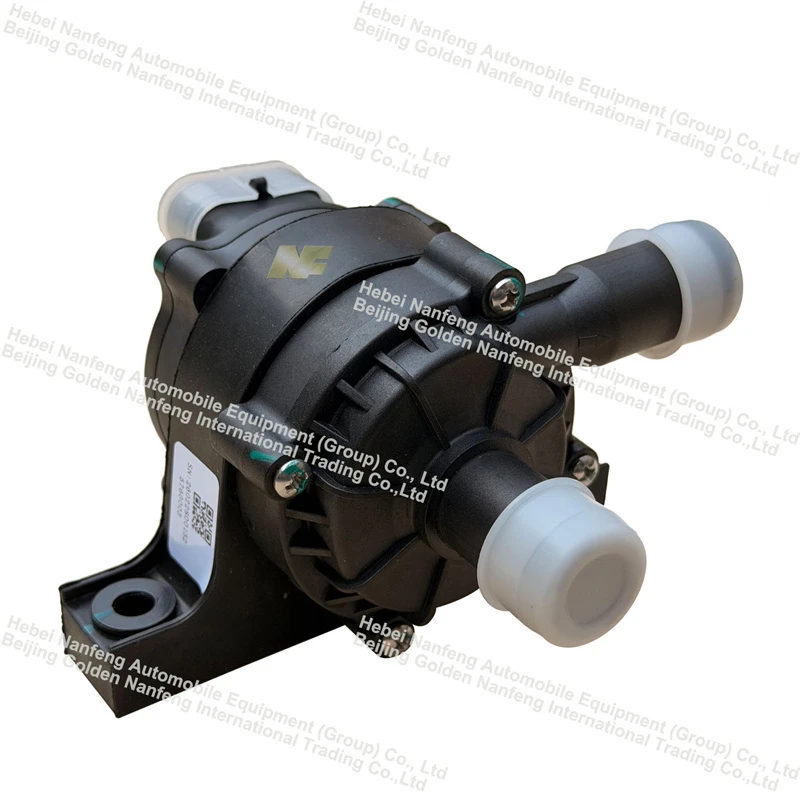
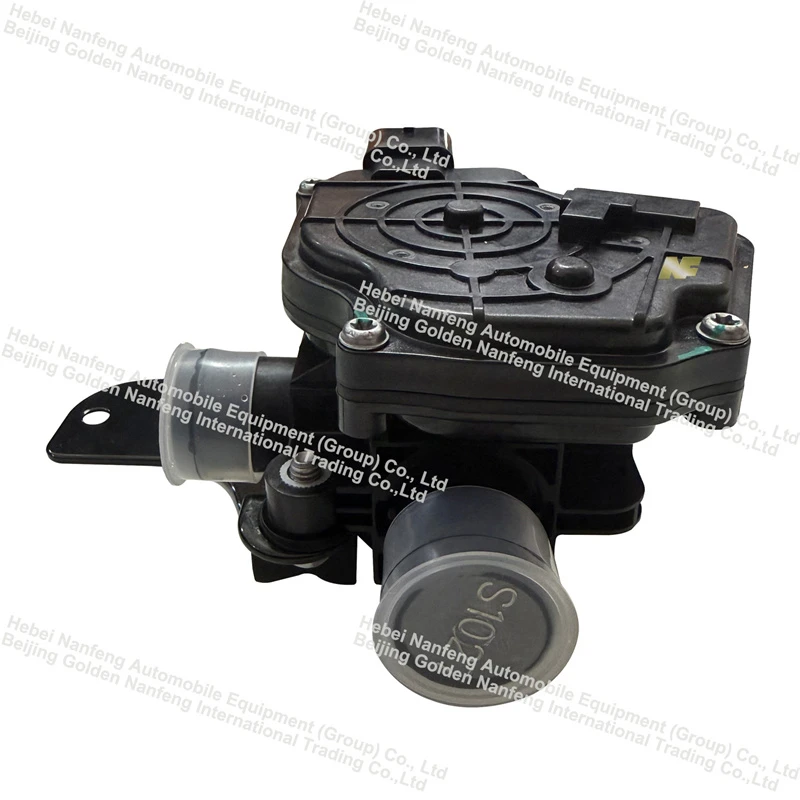
The circulation/actuation unit includes electronic water pumps, electronic three-way valves, and pipeline connectors. The electronic water pump drives the circulation of the antifreeze (coolant) and regulates its flow rate. The electronic three-way valve acts as a fluid-routing hub; a motor-driven valve core facilitates circuit switching or proportional flow distribution, allowing the system to toggle between cooling and heating loops. The pipelines are constructed from ethylene glycol-resistant rubber and utilize quick-connect fittings to ensure a secure seal and minimize the risk of leaks.
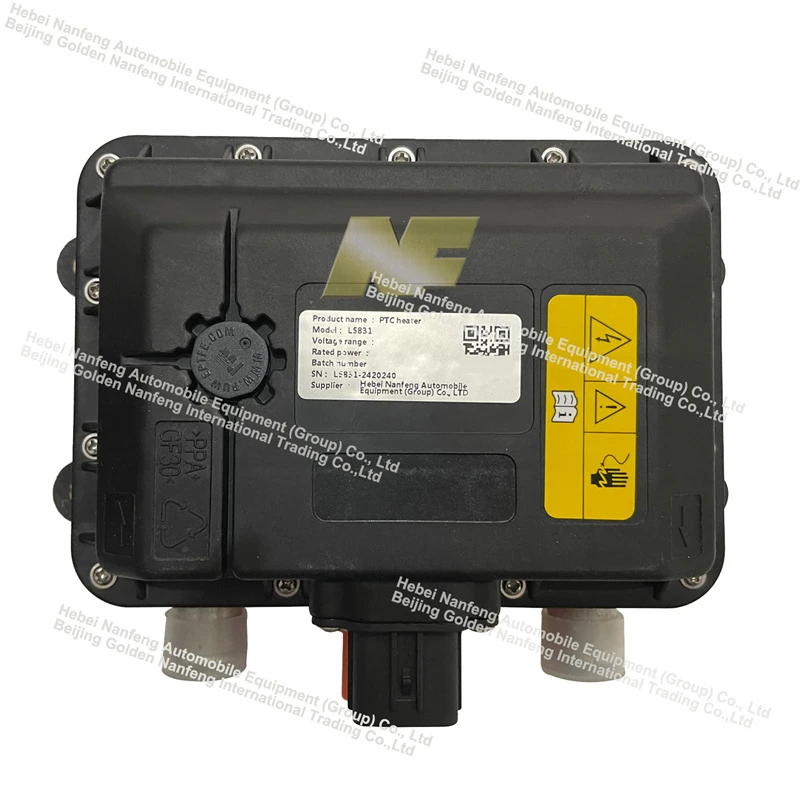
The heat exchange unit consists of liquid-cooling plates, a PTC heater, and a radiator. The liquid-cooling plates are placed in direct contact with the battery modules, allowing coolant to flow through internal channels and facilitate heat exchange with the battery cells. A high-voltage PTC heater is used to warm the coolant during low-temperature operation, thereby preheating the battery. The radiator is positioned at the front of the vehicle, utilizing the incoming airflow to dissipate heat from the coolant into the external environment. The heat exchange assembly determines the efficiency of heating and cooling.
The protective components include a high-voltage insulation monitoring module, fuses, and pressure relief valves. The high-voltage insulation module monitors the insulation status of the high-voltage circuit in real time to prevent electrical leakage, while the pressure relief valve stabilizes pressure within the water circuit, preventing damage to the piping caused by high temperatures and high pressures. The system features a modular layout with centralized component placement, facilitating both initial vehicle assembly and subsequent maintenance.
The complete Battery Thermal Management System (BTMS) integrates sensing, control, water circulation, and heat exchange, utilizing the coordinated operation of its various components to precisely regulate battery temperature. An optimized internal structural design helps minimize temperature differentials between individual battery cells and reduces energy consumption for thermal management. This ensures the safety of the traction battery under demanding conditions-such as extreme cold or high heat-and extends the battery's service life.